

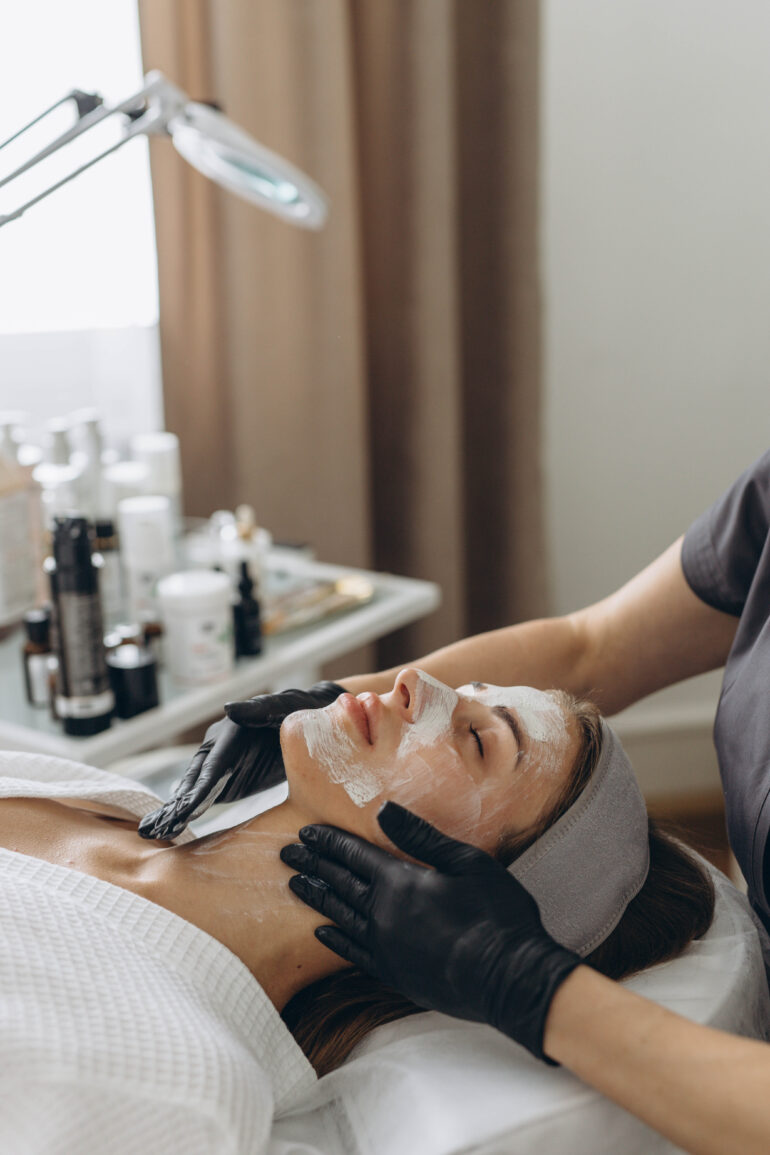
A chemical peel can do wonders for your skin — smoothing texture, fading discoloration, and giving you that fresh, renewed glow. But the real results don’t show up the moment you leave the medical spa. They reveal themselves gradually, through a recovery process that’s equal parts fascinating and, let’s be honest, a little intimidating if you don’t know what’s coming.
Here’s a clear, honest breakdown of what to expect during chemical peel recovery, day by day.
Days 1–2: The Immediate Aftermath
Right after your treatment, your skin will likely look and feel sunburned. Redness, tightness, and mild swelling are completely normal. Depending on the depth of your peel — superficial, medium, or deep — these initial reactions will vary in intensity.
Your skin may feel warm to the touch, and you might notice some sensitivity. This is your skin’s natural inflammatory response kicking in. Resist the urge to touch, rub, or pick at your face. Keep things simple: gentle cleansing, a bland moisturizer, and plenty of hydration.
Days 3–4: The Peeling Begins
Here’s where things get interesting. Your skin will start to visibly peel or flake — sometimes dramatically, sometimes subtly. This is the process working exactly as intended. Dead, damaged skin cells are shedding to make way for the newer, healthier layer underneath.
It can look a bit rough, and that’s okay. Do not peel or pull at the skin. Forcing the process can lead to irritation, scarring, or uneven results. Let it happen naturally. A good moisturizer will be your best friend during this phase, helping to ease tightness and support the skin barrier.
Days 5–7: Peak Peeling and Sensitivity
For medium-depth peels, days five through seven often represent the most intense phase. Peeling may be heavier, and the skin underneath can appear raw, pink, or even slightly uneven in tone. This is temporary.
Sun protection is non-negotiable at this stage. Your newly exposed skin is extremely vulnerable to UV damage. Even a short trip outside calls for SPF — and ideally, physical shade too. Avoid active ingredients like retinol, exfoliants, or vitamin C serums. Your skin needs calm, not stimulation.
Days 7–10: Things Start to Settle
By the end of the first week, most of the visible peeling has resolved. The skin starts to look and feel more like itself again — only better. You may notice improved texture, a more even tone, and a general brightness that wasn’t there before.
Redness may still be present, particularly with medium or deep peels, but it typically fades steadily. This is a good time to check back in with your medical spa provider if you have any concerns or questions about how your skin is healing.
Weeks 2–4: The Glow Emerges
This is the phase most people are waiting for. As any lingering redness fades and the skin fully settles, the real results become visible. Texture feels smoother, fine lines appear softer, and discoloration looks more even.
Full collagen remodeling — especially after deeper peels — can continue for several months. So while you’ll see improvement early on, the best results often come with a little patience.
Tips for a Smooth Recovery
- Moisturize consistently to support barrier repair
- Avoid direct sun exposure and wear SPF daily
- Skip the makeup during peak peeling days
- Stay hydrated — inside and out
- Follow your provider’s aftercare instructions to the letter
Recovery from a chemical peel is a process, not an overnight transformation. When you understand what’s happening at each stage, it becomes far less stressful — and far more exciting. Talk to your medical spa team before your treatment so you know exactly what to expect and how to care for your skin every step of the way.