


Have you ever wondered if the housing market might surprise us by 2025? Experts are predicting a steady rise in home prices, opening up cool opportunities for both buyers and sellers. But some folks are worried about unstable payment plans and higher mortgage rates (that means the cost of borrowing money to buy a home goes up).
This blog takes a closer look at why even small price gains paired with a careful, optimistic outlook might set the stage for a brighter future, even though there are a few bumps in the road. Ready to dive into how trends in home prices and buyer feelings could shape a promising market ahead?
housing market predictions 2025: Bright Prospects Ahead
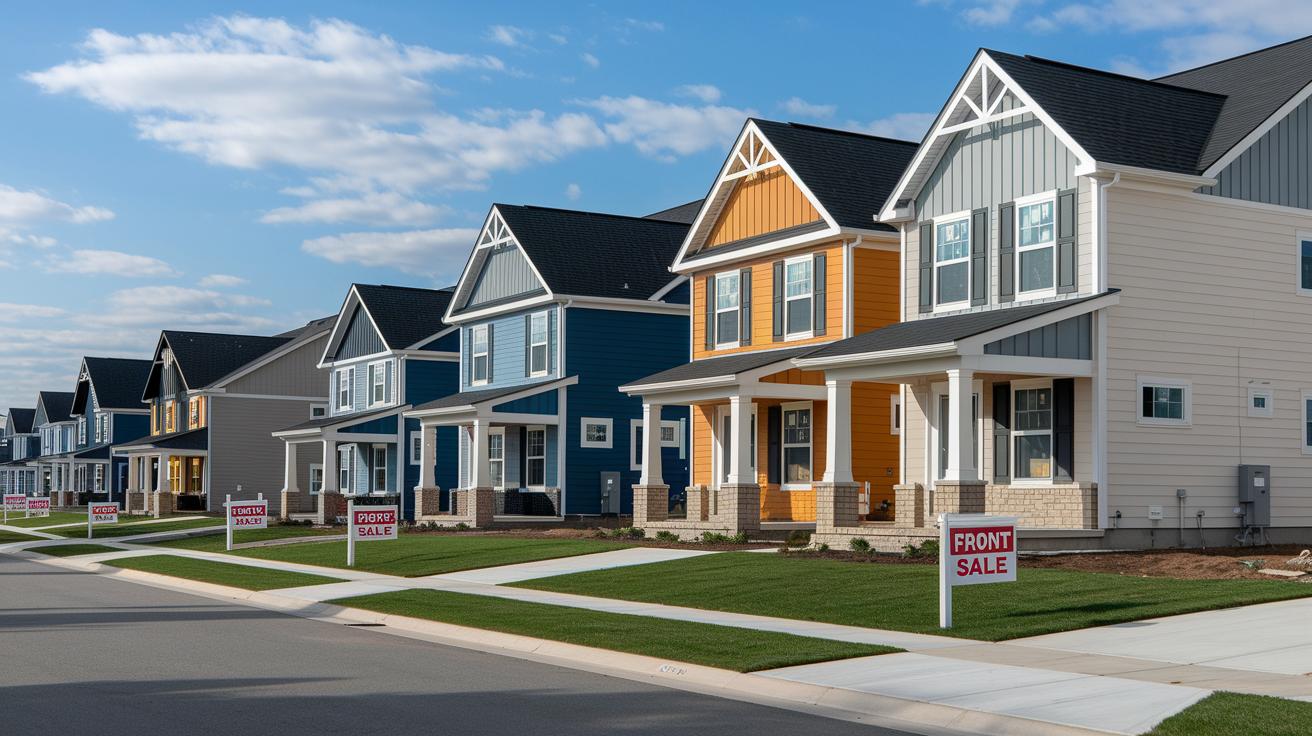
Looking at the housing market for 2025, there’s a warm sense of hope, even though there are a few tricky spots ahead. Experts at the National Association of Realtors (NAR) predict a modest 3% rise in home prices this year, followed by a 4% increase in 2026. Think of it like a neighborhood where small, steady pushes in price open up fresh, long-term opportunities.
Not everyone feels completely confident, though. A survey shows that about 70% of people worry a market crash might come, and roughly 32% fear keeping up with housing payments if conditions slow down. Mortgage rates, mostly hovering between 6% and 7%, add to the challenge by making homes less affordable. It’s a bit like a seesaw, when rates shift, the balance between buyer interest and caution can change quickly.
Meanwhile, new home construction isn’t picking up much pace because of these high rates. Even with fewer new builds, forecasts still expect around 4.3 million existing-home sales, suggesting the market can hold its own. Single-family home builders, who are quick to adapt when things change, are ready to speed up if rates drop, much like what happened during the early days of the pandemic when even a small dip sparked renewed building activity.
- Rising home prices
- High mortgage rates
- Slow new construction
- Mixed consumer feelings
Regional Housing Market Predictions 2025: Trends Across Key States

Regional housing trends in 2025 are as varied as they are exciting. You see, each market has its own vibe. Take Florida, for example. Its coastal charm and laid-back lifestyle pull in buyers, while Texas bursts with energy from a growing economy and more job opportunities.
Then there's California. Even with a tight supply, buyers keep coming. And over in the Bay Area, tech shifts (new startups and innovations) are stirring up higher prices. Every area has its own mix of factors that shape growth, from how local economies are doing to what buyers really want.
Check out the snapshot below for some key state trends:
| Region | Forecasted Price Growth | Demand Factors | Notable Concerns |
|---|---|---|---|
| Florida | 3% | Coastal lifestyle appeal | Climate-related risks |
| Texas | 4% | Job growth and migration | Market saturation |
| California | 2% | Limited supply, high demand | Regulatory constraints |
| North Carolina | 3.5% | Increasing suburban migration | Affordability issues |
Local trends, like those seen in Colorado Springs and North Carolina, show that each state's unique dynamics can steer the overall market. In a nutshell, local economic shifts and distinct buyer habits shape property prices and construction. It all comes down to how each region adapts to changing policies and market forces.
Economic Influences on Housing Market Predictions 2025: Rates, Policies, and Impacts

Mortgage rates are really setting the scene for what the housing market might look like in 2025. Right now, buyers are seeing rates in the high-6% to low-7% range, which means higher monthly payments, kind of like buying a car with steep interest. Many folks are hitting pause, hoping for a friendlier lending environment.
Current economic policies only add to the mix. Tariffs and other measures are stirring up uncertainty, so both buyers and sellers are rethinking their next steps. Even though some predicted prices would soon drop, they’ve stayed pretty steady. It’s almost like waiting for the calm after a really strong wind, policymakers easing up could help smooth things over.
Experts are clear: big economic indicators, from inflation rates to job trends, are directly influencing the real estate scene. A recent forecast from a top realtor group even suggests that while lower rates might eventually spark some activity, any recovery will be slow and steady. It’s as if the market is inching forward, carefully weighing every economic signal.
Keep an eye on regulatory shifts and more economic data, too. Tariffs and fiscal moves are still tipping the scales, and while early signs hint at a slow rebound, it’ll take time for market confidence to pick back up. In short, the combination of high rates, policy impacts, and relentless economic signals is shaping what 2025 might bring for housing.
Buyer Sentiment and Risk Analysis in Housing Market Predictions 2025

Recent surveys and expert insights show that homebuyers are feeling cautious as new economic policies stir up fresh perspectives. New fiscal rules and housing programs are gently shifting buying decisions, mixing old concerns with emerging chances. For instance, many buyers now check policy updates as carefully as a sailor checks the tide before setting off.
Key risk factors include:
| Risk Factor |
|---|
| Market volatility |
| Affordability challenges |
| Regulatory uncertainties |
Moving forward, early signs point to shifting buyer sentiment as lawmakers adjust policies in the face of evolving mortgage landscapes and broader economic trends. Even small tweaks to policy might boost affordability pressures, nudging both seasoned investors and first-time buyers to adopt more cautious approaches. Analysts agree that these sharper insights offer a new angle on how changing policies and consumer decisions play off each other in today’s market.
Construction, Supply Dynamics and Future Outlook for Housing Market Predictions 2025
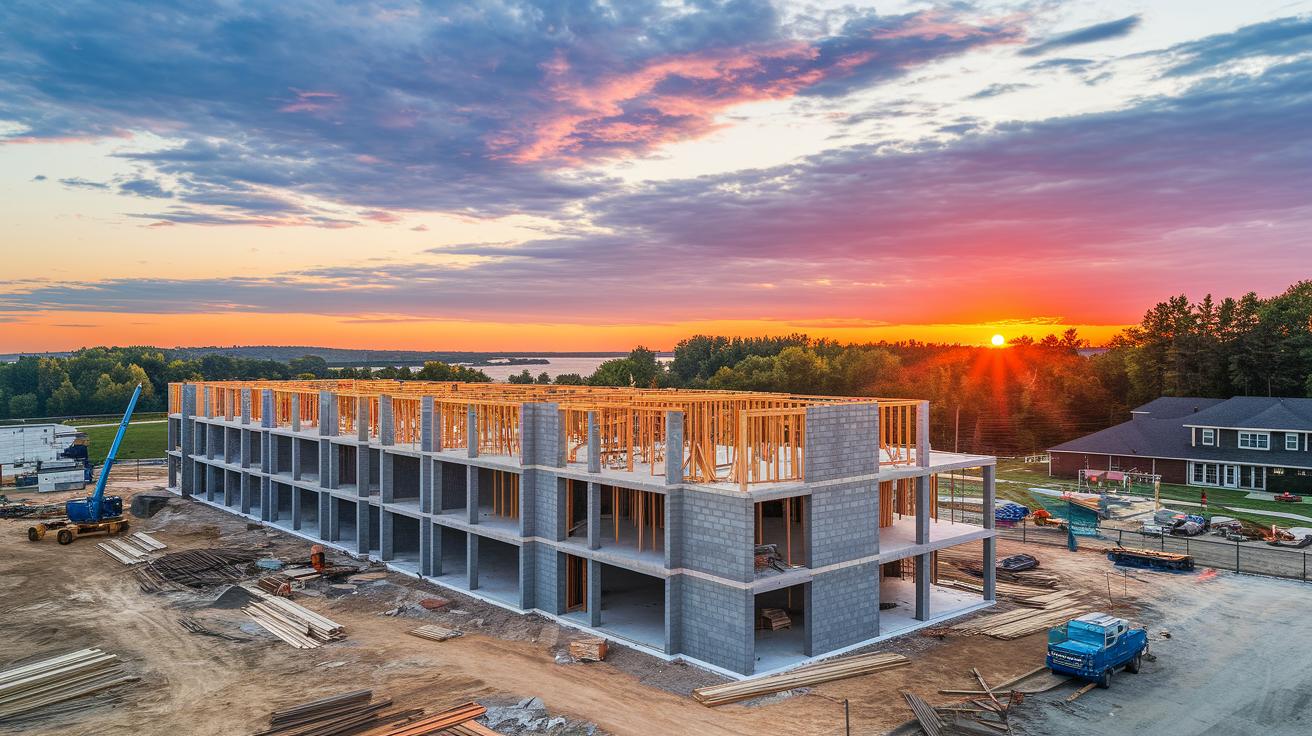
Right now, building new homes is a bit of a balancing act. High interest rates have everyone holding back, and builders are taking a cautious approach. They aren’t eager to start big projects because current mortgage conditions leave little room for confidence. Single-family home contractors adjust quickly when the market shifts, while multifamily developers seem to wait a little longer. Many are holding off, hoping for a drop in rates before taking the plunge.
Taking a closer look, we see that new construction remains slow due to rising costs and limited inventory. Homebuyers and investors are watching the scene closely, like checking the weather before a big trip. Builders, meanwhile, face challenges with both material supplies and labor. This mix of hurdles means that launching projects isn’t easy at the moment. Still, there’s hope: if interest rates ease, construction could gradually pick up, giving the housing market a brighter outlook over the next five years.
| Factor | Current Status | Outlook |
|---|---|---|
| Construction Activity | Flat pace due to high rates | Potential rebound if rates soften |
| Housing Inventory | Shortage impacting new builds | Steady low supply, gradual improvement |
| New Build Forecast | Cautious estimates prevail | Optimistic rally if economic signals change |
Together, these insights offer a clear view of what to expect as we move towards 2025. Builders and market watchers are keeping a close eye on every sign of change, ready to jump in when conditions start to improve. It’s a cautious scene now, but there’s a spark of optimism that things will get better soon.
Final Words
In the action, this article breaks down housing market predictions 2025 by examining rising home prices, adjusted mortgage trends, and a mix of economic influences. We skimmed regional forecasts, unpacked buyer sentiment, and reviewed construction activity.
The discussion painted a clear picture of market dynamics, highlighting both caution and opportunities ahead. This recap of fresh, data-driven insights leaves us feeling optimistic about the ability to adapt and thrive in evolving market conditions.
FAQ
Q: What are the chances of a housing market crash in 2025 and 2026?
A: The outlook for a housing market crash in 2025 and 2026 is low. Expert forecasts predict gradual growth—a 3% increase in 2025 and 4% in 2026—despite public fears.
Q: What does the real estate forecast for the next five years indicate?
A: The real estate forecast for the next five years suggests moderate price gains driven by economic policies and buyer behavior while still facing challenges like high mortgage rates.
Q: How are housing markets expected to perform in Florida and California in 2025?
A: Housing markets in Florida and California will show diverse performance in 2025. Florida is expected to grow steadily due to strong local demand, while California faces mixed factors affecting its overall trends.
Q: Will the housing market improve in 2025?
A: The housing market in 2025 is projected to improve gradually. Modest growth is on the horizon, even though high mortgage rates and flat construction activity may dampen rapid progress.
Q: Will 2026 be a favorable year for buying a house?
A: Buying in 2026 might be beneficial, as market conditions are set to stabilize with slow growth and slight economic improvement, offering opportunities amid ongoing inventory and rate challenges.
Q: What does Zillow forecast for home sales in 2025?
A: Zillow forecasts around 4.3 million existing-home sales in 2025. This projection reflects a balanced market with steady consumer demand and supply constraints.
Q: Where are home prices expected to be by 2030?
A: Home prices by 2030 are forecast to trend upward at a gradual pace. Regional variations will continue, with local demand and economic factors playing key roles in shaping future prices.