


Have you ever wondered why one little rumor can shake up the business world?
Today, our headlines beat like a steady heart. They come alive thanks to buzz on social media, strong economic numbers, and sudden changes in policy.
When investors see a bold headline, they act quickly, almost like hearing a whistle during a busy game.
In this post, we're digging into what drives these stories. We'll break down the mix of facts and feelings behind each headline.
Stick around as we uncover the clues that move the news.
Comprehensive Analysis of Trends in Business Headlines
Today’s headlines are shaped by a blend of social media chatter, lingering rumors, and big news events that can suddenly shake up the market. Sometimes, a rumor or a trending post sends stock prices spinning in unexpected ways, almost like the market’s pulse is racing. For example, if you see a headline saying, "Tech Giant Faces Unexpected Challenge, Market Braces for Impact," both everyday investors and big institutions might react quickly even when all the details aren’t clear yet.
Economic factors also play a major role in shaping these stories. Numbers like GDP growth, job figures (which show how many people have work), inflation, and consumer spending often land on the front page. Earnings reports from companies and updates from central banks add even more fuel to these headlines. Picture a moment when a sudden drop in consumer spending grabs attention; investors might become cautious right away, much like players slowing down after hearing a referee’s whistle in a critical game.
Technological breakthroughs and changes in policies are key drivers of headline news, too. New digital techniques and fresh regulatory shifts often trigger discussions and help explain how everyday consumers feel about the market. Imagine a headline like, "Innovative Policy Change Sparks Surge in Consumer Confidence, Data Trends Signal a New Shift." It perfectly captures how current market actions mix with the unfolding larger story behind each news flash.
Key Economic and Regulatory Drivers in Business Headline Trends

Economic figures like GDP growth, consumer spending, corporate earnings, and even central bank announcements still steer the news. But recent policy changes add an extra twist. For example, when the Federal Reserve cut rates by 0.25% during a calm period, markets jumped, one small rate cut once sparked a 1.5% rally, much like similar moves in the past.
New rules and political shifts are now mixing together to shape market stories in fresh ways. Key economic factors include:
- GDP Growth
- Consumer Spending
- Corporate Earnings
- Central Bank Announcements
These recent policy tweaks have led to market moves that feel different from before. In one instance, a slight change in a central bank statement turned investor mood on its head, showing how political signals can boost economic cues in our fast-moving media world.
Experts have noticed that blending solid economic basics with regulatory updates gives us new insights into market behavior. After the recession, one study found that tough economic pressures combined with careful rule changes pushed the market through sudden swings, similar to when a drop in corporate earnings nudged a major index down by 2%. It’s interesting to see how digital media now spreads the impact of central bank announcements, backed by trends that simply don’t match up with older cycles.
Technological and Corporate Influences Shaping Business Headline Narratives
Technology is reshaping our news in exciting ways. The rollout of 5G doesn’t just speed up our devices; it accelerates the pace of the news cycle too. Generative AI, for instance, is creating buzz with headlines like "New AI Tool Cuts Production Time by 40%." These tech breakthroughs turn complicated ideas into simple, relatable facts for everyday investors. Did you know that one cutting-edge AI startup once reported a 30% jump in revenue year-over-year before it peaked? It’s pretty surprising.
Corporate events also add extra flair to headline stories. When companies disclose unexpected profits, announce strategic mergers, or make significant acquisitions, the news lights up. For example, after a well-known tech firm posted a 12% rise in quarterly earnings, headlines quickly picked up on its digital transformation. And with remote work and digital initiatives growing, more companies are being measured by performance data that captivates both investors and consumers. Imagine seeing a headline like "Remote Work Drives 25% Surge in Productivity – What’s Next for Corporate Giants?" It really makes you wonder what’s coming next.
Today, tracking business performance means paying attention to measurable innovations and detailed financial reports. Breakthroughs in technology backed by solid corporate strategies create stories that really resonate with market watchers. For instance, when a strategic repositioning or a merger is reported with clear success numbers, it sets trends and sparks lively discussions among investors. This blend of tech trends and corporate milestones is changing the way we read and understand the business news.
Media Metrics and Online Dynamics in Business Headline Story Formation
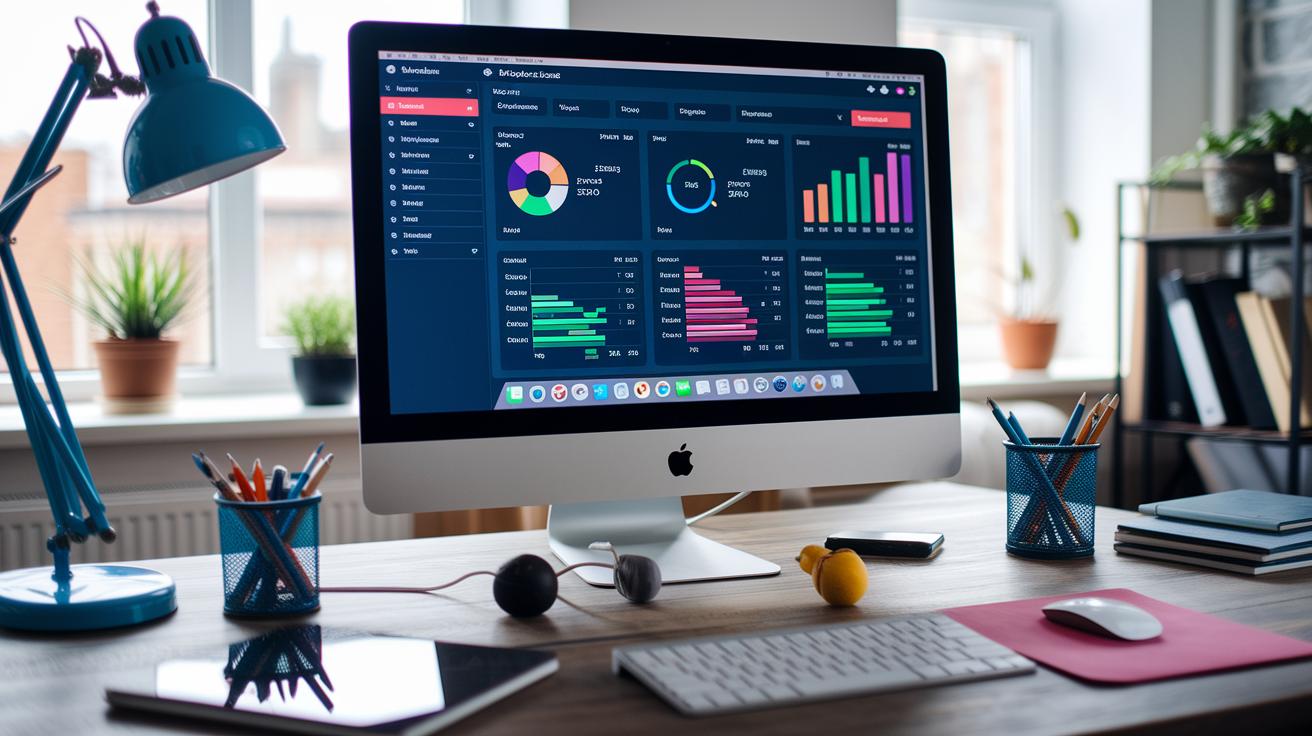
Real-time online coverage is changing how headlines grab our attention. Newsrooms lean on live data like click-through rates, engagement levels, and A/B testing results (that's when two headlines are compared to see which one works better) to update their stories right away. It’s like checking the heartbeat of the audience to know what really clicks.
Social media trends and digital interactions bring a fresh burst of energy to crafting headlines. Platforms track clear actions such as likes, shares, and comments, showing which headlines spark a buzz. This continuous flow of numbers helps content teams tweak and perfect their headlines so they truly resonate with readers.
| Metric | Description |
|---|---|
| Click-Through Rate | Shows the percentage of users clicking on a headline link |
| Engagement Level | Measures interactions like likes, shares, and comments |
| A/B Testing Results | Compares the performance of different headline versions |
Digital tracking offers ongoing hints for evolving headline stories. Analysts use these insights to spot trends and adjust stories as reader habits change. Each metric blends seamlessly into a creative process that balances numbers with the art of telling a great story. This mix keeps business news both interesting and in tune with the fast-paced digital world.
Investor Sentiment and Market Reactions to Business Headline Trends
Have you ever noticed how one headline can change everything? When a surprising drop in commodity prices or an unexpected earnings report lands, it feels like a sudden gust of wind stirring the market. Even big geopolitical events set off immediate reactions as investors weigh the cold, hard facts alongside their gut feelings.
News that mixes solid data with emotional cues can create noticeable ripples in the market. Think of it like watching a wave crash on the shore, commodity prices shifting fast can send market indices swinging. And when a company’s earnings either shine or stumble, investors might quickly adjust their portfolios. Each headline brings its own story made of numbers and real human reactions, proving that market moves are driven by both facts and feelings.
This pulse is felt by both well-known companies and new startups. A report hinting at unexpected profit changes or sudden alterations in share ratios often triggers a flurry of trades. The combination of clear data signals (like growth projections) and natural, instinctive responses can lead to noticeable volatility. In short, even brief news updates can leave a lasting mark on how investors decide and where the market heads next.
Final Words
In the action, our analysis showed that economic signals like GDP growth, corporate earnings, and central bank moves pair with technological breakthroughs and media metrics to shape trends in business headlines.
This exploration unraveled what drives headline stories and tied investor sentiment, regulatory shifts, and digital engagement together. With these insights, investors can feel more confident stepping forward with smarter strategies and a clearer view of market movements.
FAQ
What drives headline stories in 2022?
The trends in 2022 headline stories are driven by economic indicators, corporate earnings, technological progress, and social media buzz, all working together to capture market attention quickly.
What business trends can we expect over the next 10 years?
Business trends for the next decade include evolving consumer habits, rapid technological changes, shift in work environments, and increasing emphasis on sustainability, all of which change how companies operate and compete.
What future business trends are anticipated for 2025?
By 2025, expect trends marked by digital breakthroughs, advanced automation, growing remote work influence, and innovative startups that reshape market strategies and overall industry performance.
What are some examples of current business trends?
Examples of business trends include the rise of remote work, digital transformation in operations, focus on sustainability, and the increasing impact of data analytics on decision-making, all shaping modern enterprises.
What trends are emerging in entrepreneurship?
Entrepreneurship today sees trends like lean startup models, a strong focus on innovation, the integration of digital tools, and a move towards socially responsible business practices that attract modern consumers.
What business trends are predicted for 2024?
In 2024, business trends are predicted to feature enhanced digital engagement, strong shifts in consumer behavior, emerging fintech innovations, and increased regulatory focus as companies adapt to new market dynamics.
What constitutes the top business news today?
Top business news today revolves around major corporate announcements, significant mergers, technological breakthroughs, and economic updates that influence market movements and investor sentiment in real time.
What are some key industry trends in business?
Industry trends in business include rapid technological adoption, a pivot towards sustainability, shifts in consumer preferences, and evolving digital marketing strategies that continually reshape competitive landscapes.
What are the four types of trends in business?
The four types of business trends typically include cyclical trends (repeating over time), secular trends (long-term movement), mixed trends (combination influences), and irregular trends that occur due to one-off events, impacting market dynamics uniquely.
What emerging trends are shaping business today?
Emerging business trends involve heightened digital transformation, increased focus on consumer personalization, rapid advances in artificial intelligence, and evolving market structures that promote agile and innovative business models.
What is a business headline?
A business headline is a brief, compelling news summary that highlights significant market shifts, corporate announcements, or financial updates, designed to quickly inform and engage investors and consumers alike.
What are considered hot topics in business?
Hot topics in business include cutting-edge technology adoption, innovative corporate strategies, market volatility influenced by global events, sustainability initiatives, and the ongoing evolution of digital consumer habits.