


Have you ever thought the car world might be about to change in a big way? Electric engines and smart technology are driving a fresh direction in the industry. Old designs are stepping aside for vehicles that use cleaner energy and offer smarter performance. Investors see this shift as a chance to boost growth and solve age-old challenges.
New technology in cars is making them more efficient and eco-friendly. It’s like switching from a regular bike to a high-tech electric scooter, you feel the difference immediately. This evolving trend gives us a glimpse into a future where innovation and excitement light up the automotive market.
Comprehensive Analysis of Modern Auto Industry Developments
Right now, the car world is going through some big changes thanks to fast-moving tech. We’re seeing old-school engines replaced by electric ones, and this switch is changing how cars are made and sold every day. Digital marketing and better connectivity are shaking up the market in a very real way. Plus, improvements in battery and powertrain design are giving vehicles a whole new vibe. All of this is not just about building new cars, it’s also changing how people shop and think about their next ride.
Electric vehicles and smart driving tech are really the stars of this transformation. Car makers are pouring money into better powertrains and stronger software to tackle safety and online security issues. With better sensors and smarter data tools, self-driving features are getting a lot more reliable on our roads. These innovations are finding clever solutions for high production costs and spotty infrastructure while promising better performance and cleaner energy. In short, investors and experts see these changes as the ticket to handling tougher regulations and shifting what buyers expect.
Across the globe, fresh ideas are driving the auto industry’s growth. Research shows that building new tech in-house and focusing on smart systems is boosting confidence among investors. As companies fine-tune their designs and production lines, advances in electrification, connected tech, and autonomous features are opening up new money-making opportunities and strengthening market positions. This push toward smarter, cleaner, and more connected cars hints at a bright future for the industry, one that’s geared up for sustainable growth.
Innovative Technology Trends Shaping the Auto Sector
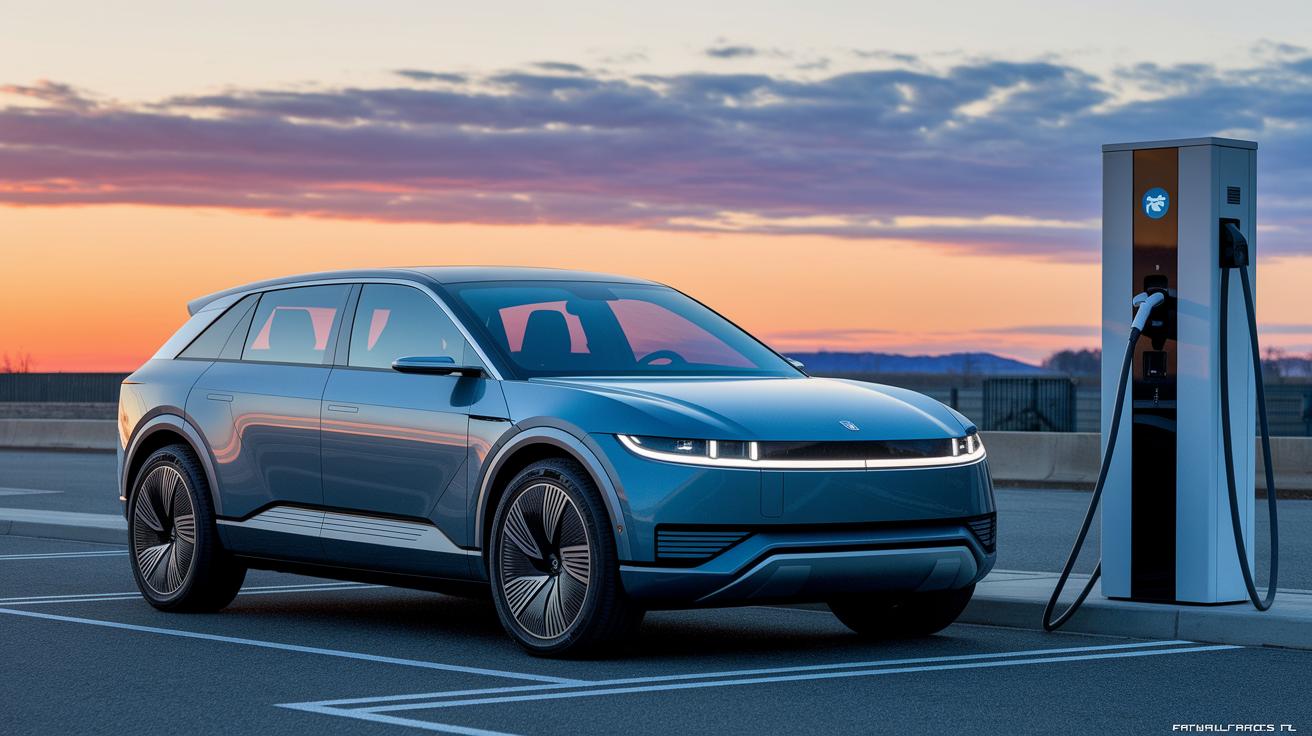
Before becoming a key player in the mobility market, early testers of autonomous vehicles reported that the cars' responsiveness felt comparable to a well-trained marathon runner – quick, precise, and always on alert.
Technology is changing how we drive in ways that are both exciting and easy to grasp. Recent numbers reveal that electric engines have boosted their efficiency by nearly 15% in only two years. And drivers are noticing real-time improvements, with their cars offering smarter, on-the-spot diagnostics.
Key upgrades include:
- Electric engine improvements
- Self-driving technology enhancements
- Smarter connectivity systems
- Upgraded infotainment features
- Fresh approaches in digital marketing
Electric engine updates now mean smoother, quieter rides even as production costs climb. Self-driving tech is being tested in select cities, offering practical insights into real-world safety and some tricky legal questions. Thanks to faster networks like 5G and the world of connected devices (IoT, which means everyday gadgets communicating with each other), vehicles are now sharing data in more natural ways with smart city systems. New infotainment setups are putting user-friendly interfaces at your fingertips, complete with voice control and easy streaming options. At the same time, digital marketing is transforming car buying with interactive online showrooms and virtual test drives.
Each of these innovations brings its own flavor. Electric engines focus on solid mechanical gains. Self-driving systems are still working through issues like legal and cyber risks. In contrast, smarter connectivity keeps cars in constant conversation with their surroundings, while new infotainment systems are all about making your drive more enjoyable. And digital marketing isn’t just about selling, it’s about building trust with consumers as they make big decisions.
| Innovation | Market Impact | Consumer Experience |
|---|---|---|
| Electric Powertrains | Boosts efficiency and performance | Quieter, smoother rides |
| Autonomous Driving | Introduces new safety protocols and legal frameworks | Enhanced safety and comfort |
| Connectivity | Enables real-time data and IoT integration | Increased vehicle intelligence and diagnostics |
Market Forecasting and Sales Momentum in the Auto Sector
Global auto market forecasts hint at a big change on the horizon between 2024 and 2026. After recent challenges, car sales are making a comeback with fresh, new strategies. Online car buying is leading the way, with digital showrooms and virtual transactions changing how people get their vehicles. Sure, some areas like the U.S. are grappling with low inventory and price bumps, but overall, international momentum is growing. It’s an exciting time, and experts believe digital paths could really spur growth.
Consumer buying habits are shifting in noticeable ways. Today, more people are choosing flexible financing and online buying channels over traditional dealership visits. Have you ever wondered why that is? Well, technology is making the process smoother and more interactive, which in turn fuels a boost in sales. Manufacturers and dealers are quickly adapting by embracing tech-driven methods to build confidence in digital transactions.
Market segmentation is also transforming the industry. Companies are using new digital tools to dig into post-crisis trends and fine-tune their approaches to specific buyer groups. This means the move toward online car buying isn’t just changing how we shop, it’s also sharpening the accuracy of sales forecasts around the globe.
Supply Chain Dynamics, Consumer Behavior, and Future Auto Components
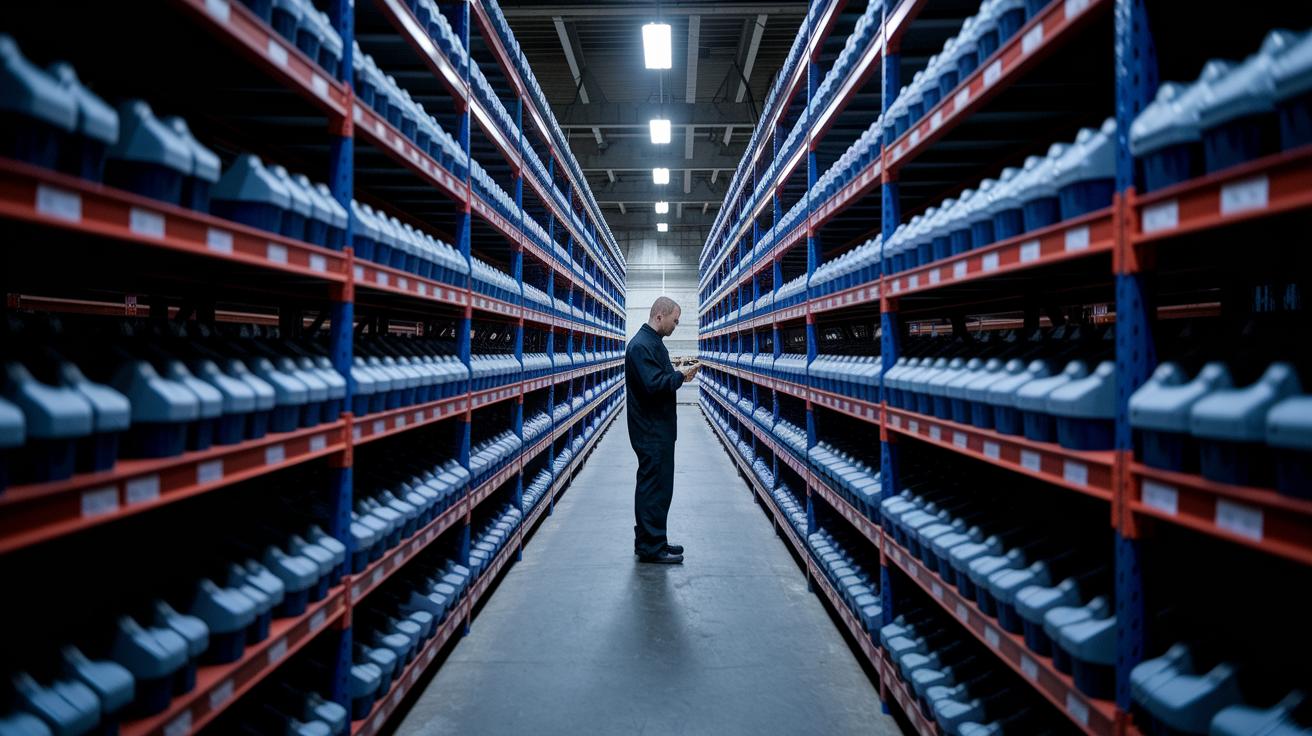
Chip shortages have been a real headache for the auto industry lately. Manufacturers are rethinking how they source and build critical parts because their old suppliers just can’t keep up with demand. It’s tough for producers to stick to their production schedules, so many are now designing and making their own parts to better control quality and delivery times.
Vehicle owners today are also changing the game. More people are turning to micromobility options and exploring different ways to own and use their cars. This shift is shaking up traditional repair shops and dealerships that now need to offer flexible, personalized services. It makes us wonder how our vehicles are maintained and how these changes might shape their long life.
Looking ahead, new innovations in auto parts and sustainable ways of making them are set to mix things up even more. Eco-friendly methods are on the rise as car makers work to shrink their environmental impact. Meanwhile, research into next-generation parts promises improved performance and longer life for both original and aftermarket components.
Final Words
In the action, this article broke down key shifts in the auto industry, from rapid tech upgrades to fresh market forecasts and supply chain challenges. We explored how electrification and smarter connectivity are reshaping consumer behavior and investment dynamics.
Each section sent a clear message that embracing change paves the way for smarter decision-making. Investors can find comfort knowing that consistent progress and innovative strategies drive automotive market trends. Keep informed and stay ready for the next exciting development.