


Have you ever thought about how our work lives might change soon? With smart technology and more flexible work setups, things are shifting quickly. Imagine companies using digital tools and eco-friendly practices to run smoother than ever.
Remote work is growing, and new tech upgrades are on the rise. Over the next ten years, we can expect fresh business trends that open up exciting opportunities for anyone ready to adapt.
Comprehensive Analysis of Business Trends for the Next 10 Years
Over the next ten years, technology is set to reshape how businesses plan and work. Imagine a world where smart, AI-powered tools make planning easier and boost everyday productivity. These tools mix seamlessly with financial systems to help you make quick, data-based decisions. And work itself is changing: nearly two out of three professionals now favor remote work, with younger folks reporting even better output. Plus, a growing number of companies, about 74%, are quickly adding digital technology to their operations, showing a clear move toward more agile and tech-friendly models.
Today's market covers both bold new ideas and practical tweaks to meet changing needs. Here are some key trends that will open up fresh opportunities:
- Remote Work Evolution
- Digital Transformation Initiatives
- Artificial Intelligence Adoption
- Sustainable Business Practices
- Global Market Forecasts
Consumers, too, are shifting their habits. Half of US buyers are even ready to pay more for eco-friendly products, and 62% are adjusting how they shop to support greener choices. This means businesses have to blend technology and sustainability to stay ahead. In short, companies that keep things flexible and forward-thinking will be the ones best positioned for the future.
Emerging Technological Innovations Shaping Business Trends

New tech trends are shaking up how companies plan and run their businesses. For instance, smart planning tools powered by AI not only help build detailed plans but also cut down on tedious tasks. Imagine using an AI Business Plan Generator or a Pitch Deck Creator that works hand in hand with financial software like QuickBooks and Xero, it makes tracking and updating your numbers a breeze. Meanwhile, smarter uses of IoT, better data analytics, and cloud improvements are giving decision-makers the edge they need.
Then there’s the surge of 5G connectivity and blockchain, which are turbocharging speed, security, and clarity in business operations. Companies are diving into these innovations to better predict market shifts, smooth out daily tasks, and secure important data. It’s like having a new set of tools that not only boosts efficiency but also sparks fresh ideas.
Below is an overview that highlights the role of these technologies:
| Technology | Key Impact | Supporting Data |
|---|---|---|
| AI & Machine Learning | Streamlines complex planning tasks | Works with financial software for clearer analysis |
| Blockchain Integration | Boosts data security and openness | Increases trust in transactions |
| 5G Connectivity | Speeds up data transfer | Enables real-time decisions |
| Cloud Computing | Offers smooth data storage and access | Drives digital upgrades |
In short, technology is the heartbeat of modern business, making processes simpler and strategies smarter. With these advanced tools, companies can work more efficiently and spot market trends with greater clarity. Have you ever thought about how a faster, more secure system can change your business game? Ultimately, blending emerging tech with smart planning is opening up fresh opportunities and setting the stage for a competitive future.
Consumer Behavior Shifts Impacting Business Trends for the Next 10 Years
Consumers are changing the way we shop, and businesses are taking note. More people are turning to online and mobile shopping, which means companies have to rethink how they connect with customers. Think about it: a small shift, like more folks choosing to use their smartphones, can really change the game. Companies are now fine-tuning their plans to make sure their services feel personal and friendly in this digital age.
This new way of shopping is setting the stage for a series of important market trends. Some of the key shifts include:
| Trend | Description |
|---|---|
| Mobile Shopping Growth | More people are buying on their phones, making it essential for businesses to have mobile-friendly strategies. |
| Personalized Experiences | Businesses are focusing on tailoring offers and messages to each customer to improve engagement. |
| Social Media Engagement | Companies are using social platforms to connect with customers, keeping things interactive and up-to-date. |
| E-commerce Expansion | An all-around boost in online shopping is pushing companies to upgrade their digital presence. |
In response to these changes, businesses are shifting more of their budgets to digital and social media efforts. More than half of marketing leaders plan to spend more on these areas to meet consumers right where they are. Tools like interactive features, personalized deals, and smart use of data (gaining insights by tracking user behavior) are key to turning casual browsers into loyal customers.
At its heart, this shift isn’t just about new technology, it’s about rethinking how companies connect with you and me. Have you ever noticed how a small tweak in a message can make a brand feel completely different? This is the new reality of customer engagement, where every interaction is a chance to build trust and deliver a great experience.
Sustainable Business Models and Corporate Responsibility Driving Future Business Trends
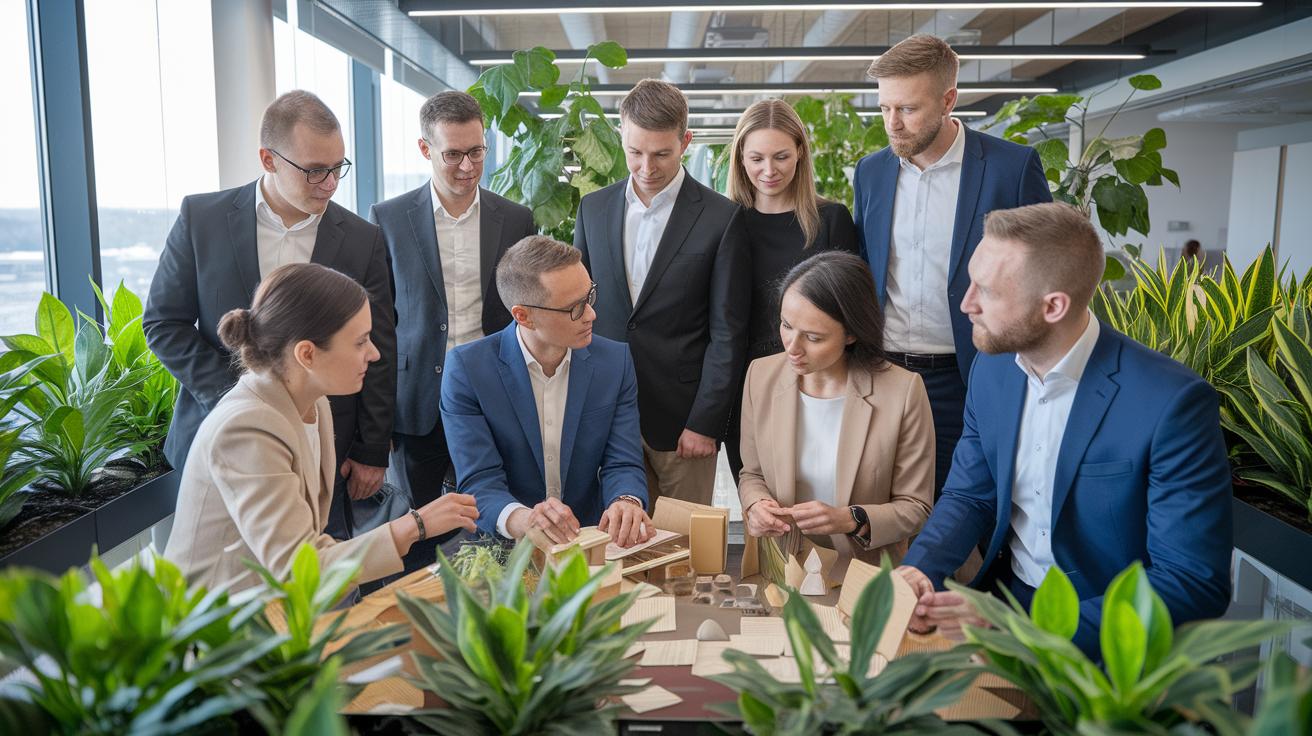
Sustainable business models are now a central part of both everyday consumer decisions and overall company plans. About half of US consumers are willing to spend extra on eco-friendly products, and nearly two-thirds are shifting their buying habits toward greener options. Think of a business that switches to renewable energy, it slashes long-term costs and earns trust from its customers.
Adopting sustainable practices goes well beyond just answering customer calls. Imagine a company that crafts products to last longer, trims down waste by redesigning packaging, or fine-tunes how it uses resources for a leaner operation. These smart moves not only boost efficiency but also uplift everyone on the team, making employees proud of their company’s commitment to real-world change.
Corporate responsibility is at the heart of sharp business strategy. When companies clearly weave in social and environmental care, they not only meet regulations but also strengthen ties with the community and build a transparent reputation. This honest approach naturally pulls in loyal customers and lays a solid foundation for growth in today’s eco-conscious marketplace.
Global Economic Projections and Market Forecast Insights for Upcoming Business Trends
The global economy is showing signs of getting a bit bumpy, which means businesses need to stay nimble. Recent reports indicate that changes in international trade and world events are shaking things up, sometimes swiftly, other times more slowly. For instance, shifts in oil prices and adjustments to tariffs (taxes on imported goods) are changing the profit margins of big companies. Multiple studies suggest that businesses should revisit and fine-tune their long-term forecasts to keep up when market conditions shift quickly, affecting everything from storage costs to what customers want.
Looking at the bigger picture, companies now face pressure from international economic forces, which is pushing them to plan more flexibly. Regional trade deals and fresh government policies are redrawing the map for key industries. Even a small rule change in one significant market can ripple out and impact the rest of the world. By keeping a close eye on these trends, companies can swiftly adjust pricing and supply plans to stay in the black, even when the market feels shaky.
Planning for the long term has become a must-have skill for today’s business leaders. Detailed studies and data-based projections are now shaping everything from where to invest money to how to distribute resources efficiently. For example, many companies are turning to predictive tools (which help forecast future trends) to set goals and spot new opportunities among global market shifts. By planning ahead and using insights from these forecasts, businesses can turn a shaky market into a chance to innovate and build a competitive edge over the coming years.
Strategic Planning and Innovation Funding Aligned with Business Trends for the Next 10 Years

Businesses today mix smart, AI-powered planning with flexible management to create plans fast and tweak them as new data comes in. They rely on tools like Business Plan Generators and Pitch Deck Creators that work seamlessly with systems such as QuickBooks and Xero. Imagine having a digital helper that not only builds your business plan but also suggests daily improvements. One firm even used these insights to change its strategy on the fly before a product launch, leading to a big win.
Agile management means making smart decisions quickly. By using AI forecasts and real-time analytics, companies can shift their strategies as market signals change. For example, if consumer trends take an unexpected turn, a business can update its marketing strategy mid-quarter. One enterprise did just that, rebalancing its resources as fresh data rolled in, which kept it on top of its game.
Strategic innovation funding now supports these smart tools by offering dedicated capital for quick shifts and experimental projects. When precise financial modeling meets adaptable management, companies get funding that directly boosts their innovation. Picture a startup using targeted funding to explore new technology while continuously fine-tuning its business plan. This blend of funding and innovation is paving the way for success over the next decade.
Entrepreneurial Evolution and Startup Ecosystem in Business Trends for the Next 10 Years
Entrepreneurs today are shaking up the traditional startup scene. New ventures are always reworking their strategies to keep pace with a market driven by quick decisions and tech-fueled insights. Businesses now depend on smart planning, nimble adjustments, and a genuine willingness to change. In simple terms, startups are blending creative flair with solid operational plans to handle risks and grab new opportunities as they arise.
Investors are also catching on to this trend. They’re putting their money into projects that can shift gears quickly and bring fresh ideas to the table. Venture capital favors teams that show real flexibility and practical agility. To break it down, consider three key trends:
| Trend | Description |
|---|---|
| Adaptive Innovation | Quick, step-by-step strategies that react to market signals. |
| Evolving Venture Capital | Funding models that back startups with scalable and flexible plans. |
| Agile Startup Operations | Lean practices allowing businesses to pivot fast and manage resources wisely. |
In today's fast-paced world, launching a new product is just part of the equation. Entrepreneurs are now focused on building operations that are both strong and adaptable. They use digital tools to simplify everything from financial forecasting to strategic planning, a bit like having a reliable roadmap when the journey suddenly takes a detour. This modern way of doing business not only helps secure funding but also paves the way for long-term growth. Think of it as laying the groundwork for a garden of innovative ideas, all set to flourish over the next decade.
Final Words
In the action, this article walked through key shifts in remote work, AI and digital transformations, changing consumer habits, and sustainable business models.
The insights show how innovation funding and agile planning help businesses stay strong while market dynamics change. It also covered evolving startup ecosystems and venture capital trends. All these elements capture the essence of business trends for next 10 years, offering a promising outlook for growth and new opportunities.
FAQ
What are the small business trends for the next 10 years?
The small business trends for the next decade include efforts toward digital transformation, remote work adoption, sustainable practices, and evolving consumer expectations that shape future business models.
Where can I find a PDF on business trends for the next 10 years?
Resources like a comprehensive PDF report outline business trends for the coming decade, offering insights on digital shifts, tech innovations, and sustainable practices that drive market change.
What are the business trends for the next 10 years in the USA and America?
Business trends across the USA and America point to tech-driven growth, an embrace of remote work, AI integration, and a stronger focus on sustainability and digital customer engagement.
What are some examples of business trends for the next decade?
Examples of business trends include remote work evolution, AI adoption, digital transformation, green methods, and data-driven decision making that guide market strategies.
What future business trends can we expect by 2025?
Future business trends by 2025 will likely see rising AI adoption, robust remote work systems, heightened digital investments, smart data analytics, and increased sustainability initiatives.
What were the business trends for the next 10 years identified in 2022?
Back in 2022, trends identified for the next decade centered on digital investments, shifts toward remote work, rising AI use, sustainability efforts, and innovation in customer engagement.
How are business trends influencing entrepreneurship?
Business trends influence entrepreneurship by fostering agile management, shifting venture capital focus, encouraging tech-driven operations, and inspiring startups to adopt sustainable and innovative practices.
What is the next big thing in business?
The next big thing in business appears to be emerging tech integration, especially AI-powered platforms that enhance efficiency and create data-driven, personalized customer experiences.
Which business is best for the next 5 years?
The best business for the next five years will be those blending digital innovation with agile practices, strong remote work infrastructure, and sustainable initiatives that meet evolving market demands.
Which business is best for 2030?
Innovative ventures that integrate advanced technologies like AI, focus on sustainability, and offer personalized, data-informed customer experiences are expected to thrive by 2030.
Which business is most profitable in 2025?
In 2025, businesses investing in digital transformation, smart analytics, AI-driven strategies, robust remote work enhancements, and green practices are predicted to be among the most profitable.