


Ever thought that crypto trading might be more about having a clear plan than relying on luck? When you watch day traders, swing traders, or those who use scalping techniques, you notice that every decision really matters.
We’re breaking down these strategies so you can see how it all fits together. Imagine setting smart entry and exit points like choosing the best moments to cross a busy street, and adding solid risk controls that keep you safe amidst the hustle. It’s all about making sense of a fast-paced market, one thoughtful move at a time.
Ready to explore how a careful plan can completely change the way you trade crypto? Let's dive in and find out how a well-thought-out approach might be just what you need.
Essential Crypto Trading Strategies for Achieving Profitable Outcomes
Active crypto trading is all about having a clear plan that helps you earn money while keeping risks in check. One common method is day trading. Here, you buy low and sell high within the same day. For instance, in early 2025, many traders took advantage of quick price moves when Bitcoin soared to new highs after several spot ETFs were approved by the SEC.
Next, there’s swing trading. This strategy means holding your position for several days or even weeks to catch gradual shifts in the market. Scalping is another quick-play method. With scalping, you make lots of speedy trades aiming for small gains that add up over time. Then there’s trend trading. This approach involves holding onto assets for weeks or months, trusting that big market movements will work in your favor. Some traders even let computer bots handle their trades, using clear rules and technical signals to automate everything.
Finally, many investors go with the HODL strategy. They hold on to their crypto for the long haul, believing in its future value.
Key steps to take include:
| Step | Description |
|---|---|
| Select Liquid Pairs | Choose crypto pairs with high trading volume to avoid sudden price swings. |
| Define Entry/Exit Points | Decide in advance when to buy or sell based on clear market signals. |
| Manage Risk | Use stop-loss orders and adjust your position sizes to keep risk low. |
By learning these strategies, you can move from simple insights to expert-level tactics. Every trade gets backed by careful planning and solid risk controls, helping you navigate the fast-paced crypto market with confidence.
Active Crypto Trading Strategies and Intraday Techniques

Active crypto trading calls for quick thinking and a solid grasp of technical insights. These days, intraday tactics mix clever algorithms with real-life trade examples. Imagine programming a tool that buzzes when a 5-minute chart pattern hints at a price flip. This kind of alert can really help you catch key moments in a wild market.
Day trading isn’t just about staring at charts anymore. It’s about understanding order book moves and sudden volume spikes. One trader even picked up on live liquidity trends and tight bid/ask spreads to grab tiny price swings, boosting his profit chances. Have you ever thought about setting up alerts to spot sudden volume surges? That’s the kind of modern trading that can make a difference.
Swing trading has also stepped up its game. Today, you can mix big-picture economic news with technical signals like moving average crossovers (which simply track the average price over time). A recent case showed that by keeping an eye on medium-term averages while reading market mood, traders can nail the perfect timing for buying or selling. It’s like finding a window that turns a normal swing into a calculated profit move.
Trend following has evolved, too, with smart risk controls and algorithm-powered trailing stops. For example, one trader noticed that a burst of sell orders after a steady rise often signals a brief pullback. This observation helped him exit trades on time and lock in gains. A tip to remember: use a stop-loss that adjusts as the market gets more volatile to safeguard your profits.
Scalping, which depends on lightning-fast moves and spotting key candlestick patterns, now often uses automated tools. Picture a scalper who programs his system to detect a specific candle shape at support levels, resulting in rapid trades that can pay off in just minutes.
Key steps to refine these techniques include:
- Use advanced order book and liquidity analysis
- Integrate algorithmic trading alerts for rapid entry and exit
- Adjust dynamic stop-loss levels based on real-time volatility
- Employ real-time charting software for precise candlestick pattern recognition
Algorithmic and Automated Systems for Digital Asset Trading
Imagine having a trading bot that can react at lightning speed, far quicker than any human ever could. These bots use real-time market signals, clever tools like Token Metrics AI, data APIs, or SDKs to keep you ahead of market shifts, all without the interference of emotion. It’s like having an unbiased friend who never gets nervous.
Bot Setup and Parameter Configuration
First, choose the right bot and set up key details like trade size, risk limits, and API logins. Picture it like setting a smart safety net, a stop-loss that flexibly adjusts to market ups and downs. And don't forget, adding error handling routines is a must. This way, when unexpected info comes in, your bot knows just how to act safely.
Backtesting and Validation Methods
Before you let your bot trade with real money, take it for a test run using historical market data. Run a walk-forward test to see how your strategy would have done under different conditions. Think of it as giving your bot a practice round where you check its win rate and average gain or loss. These tests build your confidence, showing you that even if the market changes course, your bot stands strong.
Python Frameworks and Automation Tools
When it comes to building these bots, Python can be your best buddy. Libraries like ccxt and pandas simplify grabbing market data and managing out-of-the-box order execution. Start with a sample ccxt script to schedule trades at regular intervals. This setup not only cuts down the need for constant monitoring but also makes it easy to adjust parameters on the fly, ensuring your automated system stays as responsive and precise as you need it to be.
Technical Analysis Fundamentals for Crypto Trading Strategies
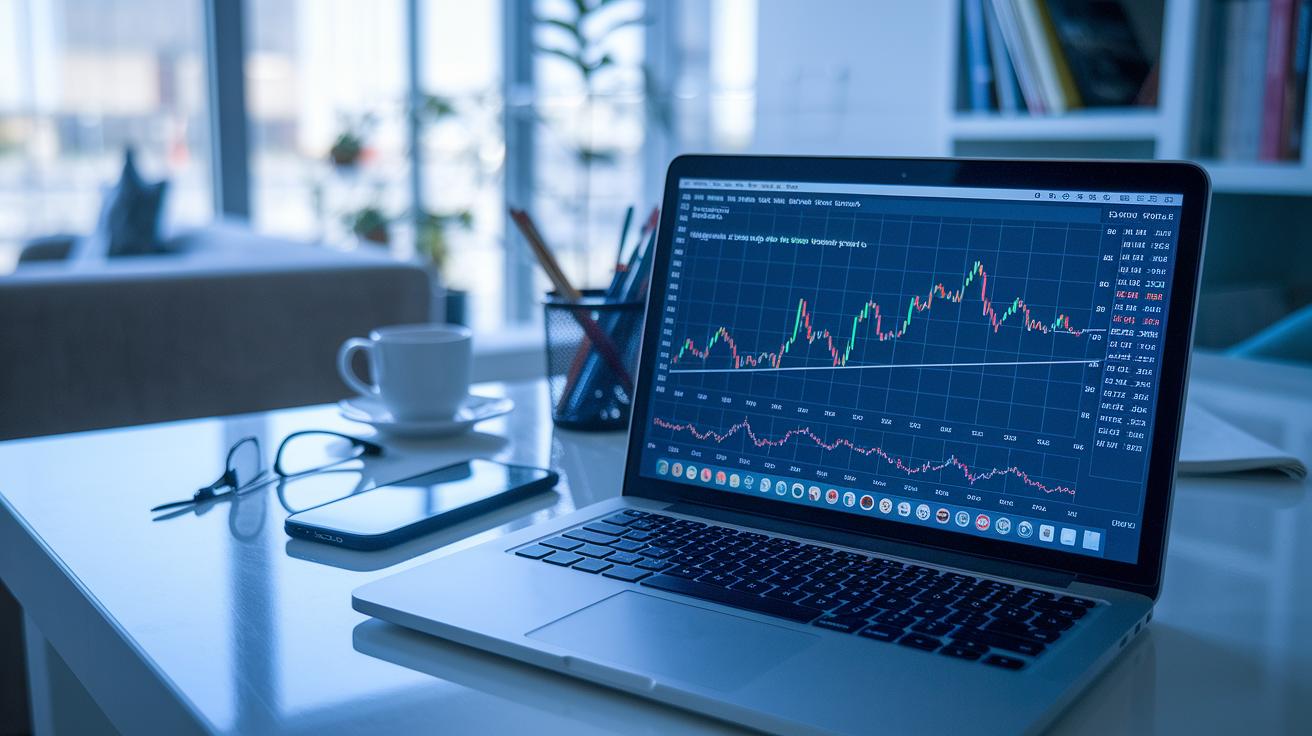
Technical analysis is your handy toolkit for navigating the crypto market. Moving averages smooth out those wild price swings so you can spot trends more easily. Imagine watching a 50-day moving average line, if the price is skating above it, that's a bullish sign, much like a train steadily on its tracks.
Next, we have the RSI indicator, which is like a speedometer for market energy. When the RSI crosses above or below levels like 70 or 30, it hints that a cryptocurrency might be overbought or oversold (meaning too many buyers or sellers). For example, if the RSI dips below 30, it could signal that a rebound is on the horizon.
The MACD adds another layer of confirmation. When the MACD line crosses its signal line, it’s a clear cue to either jump into a trade or exit one. Think of it like watching two runners in a relay, when one overtakes the other, it's time to act. Pairing this with other indicators can really sharpen your strategy.
Fibonacci retracement levels help spot potential turning points by marking areas between 38.2% and 61.8%. It’s like following a treasure map where these marked spots suggest where prices could reverse, guiding you on when to enter or close a position.
Volume trend analysis is crucial too. Rising volumes during price shifts act like a cheering crowd, confirming that a move is strong enough to keep going. And when you learn to read candlestick patterns, such as engulfing patterns or pin bars, you gain that extra insight on timing your moves just right.
Blending these core tools together offers a well-rounded approach to mapping your trades. Learn more about these essential TA tools at crypto technical analysis.
| Indicator | Application | Signal Interpretation |
|---|---|---|
| Moving Average | Trend direction | Price above MA → bullish |
| RSI | Momentum assessment | Cross above 30/70 thresholds |
| MACD | Trend confirmation | MACD line crossover |
| Fibonacci | Support/resistance zones | Retracement at 38.2–61.8% |
| Volume Trend | Breakout validation | Rising volume confirms move |
| Candlestick | Entry timing | Engulfing/pin bar reversals |
Risk Management Tactics and Volatility Control for Crypto Trading Strategies
Protecting your money when trading crypto is key. One smart move is setting a stop-loss order. This means you decide in advance when to exit a trade if prices drop too much, like hitting a recent low or falling by a set percentage, so your losses stay small.
Another neat trick is using a trailing stop. As prices climb, the trailing stop follows along, locking in your gains automatically. This way, you don’t need to watch the market every minute, and it really helps when things get wild.
You can also adjust how much you invest based on market ups and downs. For example, using the asset’s average true range (ATR) gives you an idea of current volatility. In simple terms, this approach helps you bet just the right amount so you’re not overly exposed when the market gets unpredictable.
Sometimes, you might want to hedge your bets with stablecoins or options. This extra step can balance out losses if other parts of your portfolio take a hit during rough times.
Before you jump into any trade, it’s a good idea to check that the potential reward is worth the risk. A reward-to-risk ratio of at least 1.5:1 means you stand to win a lot more than you could lose.
Taking these steps is like having an insurance policy for your trades, you protect yourself while still being able to enjoy the exciting parts of the crypto market.
Portfolio Balancing Strategies and Diversified Asset Allocation in Crypto
When it comes to trading crypto, designing a balanced portfolio is like putting together a well-rounded meal. A common recipe is to set aside 50% for Bitcoin (BTC), 30% for Ethereum (ETH), 10% for other altcoins, and the remaining 10% for stablecoins (coins pegged to a stable asset). This mix lets you enjoy the reliability of big names while also giving you a chance to tap into tokens with higher growth potential and the safety of fixed-value coins.
It’s important to check your portfolio regularly, say, once a month, or whenever one part moves more than 5% away from your target. Imagine this: if Bitcoin’s value skyrockets, you might be leaning too much into it and need to sell a little. But if altcoins are down, that might be your cue to buy more at a bargain.
Another trick is to use tools like futures or perpetual swaps. These are financial instruments that let you manage your exposure without sticking strictly to buying coins. In other words, they give you extra flexibility to guard against sudden market changes or to seize new opportunities.
A few actionable tips to keep you on track:
- Regularly review your asset mix.
- Rebalance your holdings when any part drifts past the set guidelines.
- Use derivatives to tweak your exposure while keeping your main investments intact.
- Look at how crypto assets relate to other markets (like comparing Bitcoin with gold) for smart hedging moves.
By following these steps, you can keep your strategy both nimble and disciplined, making it easier to manage risk and spot growth opportunities in an ever-changing crypto market.
Advanced Crypto Trading Techniques: Arbitrage, Futures, and Leveraged Methods
Catching arbitrage opportunities can feel like spotting a secret moment in the market. Picture Bitcoin trading at a lower price on one exchange than on another. In that case, you buy on the cheaper exchange and quickly sell on the one that’s richer, always keeping fees and transfer times in mind. It takes quick thinking and a careful look at the order book (the list of buy and sell orders) to make sure that price gap isn’t just a fleeting moment.
Futures trading adds another layer of strategy. These contracts use what’s known as perpetual swap mechanics and come with funding rates that can swing the outcome from profit to loss. When you’re trading futures, it’s key to set clear risk limits and really know the ins and outs of each contract. For instance, you might start with a small position just to test the waters; after all, a sudden market swing can lead to liquidation (losing your investment due to not meeting margin requirements) if you’re not careful.
Margin trading brings its own set of challenges. Before you jump into a leveraged position, make sure you understand the initial and maintenance margin requirements. Even a small move against you can trigger a forced sale if your stop-loss isn’t in place or if the market moves too fast. Tools that assess liquidity (how easy it is to buy or sell without moving the price) can help confirm that the market is deep enough to support your trade without causing too much slippage.
Here are some handy tips to keep in mind:
| Tip # | Recommendation |
|---|---|
| 1 | Regularly check the order book depth and bid-ask spreads. |
| 2 | Always factor in fees and transfer times when assessing arbitrage opportunities. |
| 3 | Use small position sizes for futures to test the market safely. |
| 4 | Keep a close eye on maintenance margin levels to avoid unexpected liquidations. |
In short, blending these strategies with disciplined risk management and reliable market data can help you navigate the fast-moving crypto world. Every move, from spotting arbitrage to handling a leveraged position, relies on solid information and a keen focus on keeping risk in check.
crypto trading strategies: Profit with Precision

Get your trading game in shape by setting up simple habits and keeping an eye on your results. Start your day with a quick look at the market, reviewing your plan and setting risk limits that match your style. Think of keeping a trading journal like writing a diary, it lets you note the date, asset, entry and exit points, your reasoning, and even how you felt during the trade. Over time, these details help you see patterns and fine-tune your strategy.
Every week, take a few minutes to check key numbers such as your win rate, average gains or losses, and drawdown percentages (which show how far your balance falls from a high). This regular review turns raw numbers into smart insights, guiding your future trades and highlighting what works best for you.
Also, consider joining community chats or forums. Discussing ideas and trading psychology with other traders can give you fresh tips and boost your confidence.
| Tip | Description |
|---|---|
| Keep a detailed trading journal | Record your trade details, reasoning, and emotions |
| Review weekly performance | Check key metrics like win rate and gain/loss averages |
| Stick to a daily routine | Review your plan and set risk limits every morning |
| Engage with community platforms | Exchange ideas and gain insights from other traders |
By sticking to a disciplined routine and tracking your progress, you sharpen your skills and turn every trade into a chance to learn and grow.
Final Words
In the action, this article broke down practical approaches for crypto trading strategies, from active methods like day and swing trading to automated bots and technical analysis tools. We also unpacked risk management, portfolio balancing, and even advanced tactics like arbitrage and futures trading. The content kept things clear, offering simple steps and helpful examples for each topic. With these insights, you can feel more confident in your market research and decision-making. Keep an eye on trends and approach each trade with passion and precision.
FAQ
What do crypto trading strategy PDFs and books provide?
Crypto trading strategy PDFs and books offer structured guides that explain methods like day trading, swing trading, and scalping. They include clear technical analysis, risk controls, and step-by-step advice to help traders build reliable methods.
Which crypto trading strategy is considered the best or most profitable?
The best or most profitable strategy depends on market conditions and your risk tolerance. Many traders blend day trading, swing trading, and scalping while sticking to strict technical indicators and risk management rules.
How do crypto trading strategies on Reddit compare to free guides?
Crypto trading strategies on Reddit offer real-time community insights and shared experiences, while free guides provide more structured, research-driven methods with clear risk and technical analysis instructions.
Can crypto trading help you earn $1000 a month or even achieve 100x returns?
Earning $1000 a month is possible with disciplined strategies and solid risk management. Achieving 100x returns is extremely rare and involves high risks along with market conditions that favor such extreme moves.
What is the best way to trade crypto overall?
The best way to trade crypto combines sound technical analysis, clear entry and exit points, and strict risk management. Whether through day trading, swing trading or scalping, disciplined strategy and planning are crucial for success.
How do scalping strategies work in crypto trading?
Scalping strategies focus on capturing tiny, rapid gains within minutes or hours. They rely on fast execution, precise timing around support and resistance levels, and careful liquidity checks to take advantage of short market moves.