

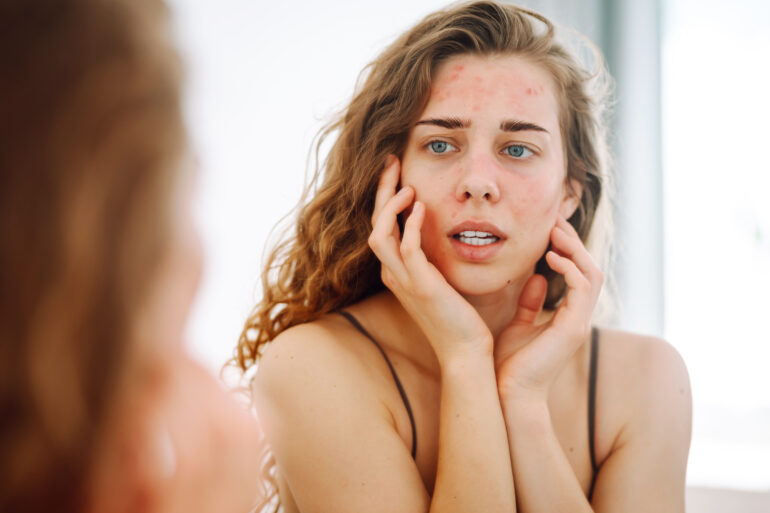
A red, bumpy rash creeping around your mouth and chin can be frustrating enough on its own. But when that rash gets repeatedly misidentified and mistreated? That’s a whole other level of exhausting. Perioral dermatitis is one of the most commonly misdiagnosed skin conditions — and understanding why can save you months (or even years) of ineffective treatment.
What Is Perioral Dermatitis?
Perioral dermatitis is a chronic inflammatory skin condition that appears as small red or flesh-colored bumps clustered around the mouth, nose, and sometimes the eyes. It most often affects women between the ages of 20 and 45, though it can occur in anyone.
Despite being fairly common, it frequently gets confused with other conditions. The result? Wrong treatments, worsening symptoms, and a lot of unnecessary confusion.
Why Misdiagnosis Happens So Easily
It Looks Like Several Other Conditions
The biggest reason perioral dermatitis gets misdiagnosed is simple: it looks like a lot of other things.
- Acne — The small red bumps can easily be mistaken for hormonal or cystic acne, especially around the chin.
- Rosacea — Both conditions cause redness and inflammation on the face, making them visually similar.
- Contact dermatitis — If the rash flares after using a new product, it’s easy to assume it’s an allergic reaction.
- Eczema — Dry, irritated skin around the mouth can mimic the appearance of eczema, especially in children.
Without a thorough patient history and a trained eye, it’s easy to see why even experienced practitioners reach for the wrong diagnosis.
Topical Steroids Make Things Worse — Not Better
Here’s where things get particularly tricky. When a rash is misdiagnosed as eczema or contact dermatitis, the standard go-to treatment is often a topical corticosteroid. In the short term, steroid creams can reduce inflammation and make the rash look better. But with perioral dermatitis, this relief is temporary.
Over time, topical steroids actually worsen the condition — a phenomenon known as steroid-induced perioral dermatitis. When the cream is discontinued, the rash rebounds, often more severely than before. This cycle of flare, treat, and rebound can go on for months before the correct diagnosis is reached.
Patients Self-Treat First
Many people try to manage facial rashes on their own before seeing a doctor. They apply heavy moisturizers, switch skincare products, or use over-the-counter hydrocortisone creams. All of these can complicate the clinical picture and delay an accurate diagnosis.
By the time a patient seeks professional help, the rash may have evolved, making it even harder to identify correctly.
What Makes Perioral Dermatitis Unique
A few distinguishing features set perioral dermatitis apart from its lookalikes:
- There is typically a clear band of skin between the rash and the lip border — a hallmark feature.
- The rash tends to persist despite typical acne or eczema treatments.
- Common triggers include fluorinated toothpaste, heavy face creams, and inhaled corticosteroids.
Recognizing these nuances is key to getting the right diagnosis faster.
Getting the Right Diagnosis
If you’ve been treating a facial rash for weeks without improvement — or if it keeps coming back — it’s worth seeking a second opinion from a board-certified dermatologist. Perioral dermatitis responds well to the correct treatment, which typically includes discontinuing triggering products, using gentle skincare, and in many cases, a course of oral or topical antibiotics.
The sooner it’s correctly identified, the sooner you can actually start healing. Don’t let repeated misdiagnosis keep you stuck in a frustrating cycle — the right answer, and the right treatment, is out there.