

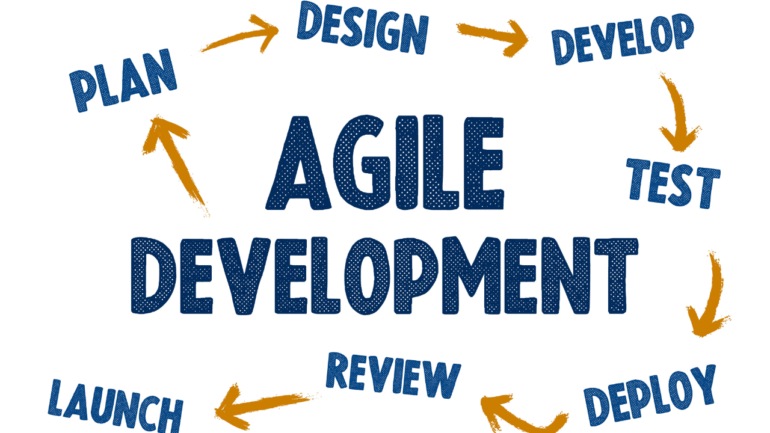
Agile isn’t just for software anymore. Entrepreneur Ralph Caruso is proving that agile thinking can redefine how businesses plan, pivot, and perform in 2025.
In a time when business environments evolve at lightning speed, traditional five-year strategic plans are starting to feel obsolete. Instead, modern leaders are embracing agile strategy—an adaptive, iterative approach rooted in the methodologies that revolutionized software development.
One entrepreneur leading this transformation is Ralph Caruso. Known for founding several fast-scaling startups across fintech and digital commerce, Caruso has become a vocal advocate for applying agile principles to business planning. His success isn’t rooted in static roadmaps but in building businesses that can learn, respond, and shift faster than their competitors.
This post explores how agile methodologies are changing the game in business strategy and how Ralph Caruso’s approach offers a blueprint for growth, flexibility, and long-term success in 2025 and beyond.
What Is Agile Strategy?
Agile strategy is the application of agile principles—such as flexibility, iteration, and customer feedback loops—to the process of business planning and execution.
Unlike traditional strategies that rely on rigid annual planning cycles, agile strategy encourages:
- Shorter planning horizons
- Frequent check-ins and updates
- Cross-functional collaboration
- Customer and market responsiveness
- A “test and learn” mindset
Agile originated in software development, but its core principles are universally applicable. As Ralph Caruso explains in a recent interview, “Agility isn’t just a process—it’s a culture. When your entire organization is wired to adapt, you win.”
Why Businesses Need Agile Strategy in 2025
The business environment in 2025 is shaped by continuous disruption:
- Rapid technological advancements like AI and blockchain
- Shifting customer expectations
- Geopolitical instability
- Hybrid workforces and decentralized teams
- Competitive pressure from startups and global players
In this landscape, long-term plans often expire before they can be fully executed. According to Ralph Caruso, “You can’t control market changes—but you can control how quickly you respond to them. Agile strategy is how you stay ahead.”
The Ralph Caruso Agile Playbook: Key Components
1. Quarterly Strategic Sprints
Caruso breaks annual strategies into quarterly sprints, similar to how product teams sprint to release features. Each sprint includes:
- A defined set of objectives (think OKRs)
- Cross-departmental alignment
- Performance metrics
- A built-in review and adjustment period
This approach allows for rapid iteration and real-time responsiveness to market shifts.
Ralph Caruso Insight: “If something’s not working, I’d rather find out in Q1 and pivot than wait a year to see failure in a spreadsheet.”
2. Cross-Functional Collaboration
In Caruso’s companies, strategy is not just a C-suite activity. Teams from marketing, product, finance, and operations all contribute to and help own the strategy.
This flattens silos, increases buy-in, and accelerates execution.
“The people closest to the problems often have the best solutions,” says Caruso. “Agile strategy puts them at the planning table.”
3. Data-Driven Decision Making
Instead of relying on intuition or outdated projections, Caruso integrates real-time data into strategy reviews. Dashboards, customer feedback, market insights—all feed into ongoing decision-making.
By doing so, strategies evolve based on facts, not assumptions.
“You don’t have to be right all the time. You just need to be quick to adjust when you’re wrong.”
4. Customer-Centric Feedback Loops
A major tenet of Caruso’s agile strategy is frequent customer validation. Whether launching a product, changing a pricing model, or entering a new market, his teams run fast experiments, collect feedback, and iterate.
This approach de-risks decisions and ensures alignment with customer needs.
“We’re not just building products—we’re solving problems,” Caruso emphasizes. “You can only do that if you’re constantly listening.”
5. Built-in Flexibility and Exit Ramps
Agile strategy means acknowledging that some initiatives won’t work—and having the courage and structure to walk away quickly.
Caruso builds exit criteria into every strategic initiative: timelines, key metrics, and predefined signals for when to pivot, persevere, or kill a project.
“Most failures come from staying too long on a bad path,” he warns. “Agility means cutting losses early and redeploying resources fast.”
How to Apply Agile Strategy to Your Business
Whether you’re a startup or an established enterprise, here are steps to apply agile strategy in your organization, following Ralph Caruso’s framework:
1. Start with a Strategic Backlog
Just like product teams maintain a backlog of features, build a strategic backlog: a prioritized list of initiatives, ideas, and opportunities.
Update it frequently based on feedback, performance data, and new insights.
2. Use Short Strategy Cycles
Plan in 3-6 month increments, not years. Define clear goals, success metrics, and team owners. Review progress monthly and adjust quarterly.
3. Empower Teams to Execute
Don’t centralize decision-making. Push responsibility to frontline teams. Trust your people with the autonomy to test, learn, and adapt.
4. Create Continuous Feedback Loops
Integrate customer feedback, employee input, and data analytics into every strategy cycle. Let the market be your guide.
5. Build in Retrospectives
At the end of each cycle, hold a retrospective: What worked? What didn’t? What should we do differently next time?
Caruso’s teams conduct these with brutal honesty, and the insights directly shape the next sprint.
The Results: Speed, Alignment, and Resilience
The outcomes of Ralph Caruso’s agile strategic model are measurable:
- Faster go-to-market cycles
- Greater adaptability in volatile markets
- Stronger alignment between teams
- Higher employee engagement
- Real-time risk mitigation
In 2025, where change is the only constant, these outcomes can make the difference between thriving and falling behind.
Final Thoughts: Strategy Is No Longer Static
Strategy in 2025 demands speed, flexibility, and iteration—not static documents gathering dust on a shelf.
Ralph Caruso‘s leadership demonstrates how agile methodologies can transform not just how products are built, but how entire businesses plan and operate. By adopting agile strategy, business leaders position themselves to respond to change with confidence, clarity, and creativity.
“Business isn’t chess anymore,” says Caruso. “It’s jazz. You need a structure—but you also need to improvise. That’s the essence of agile.”