

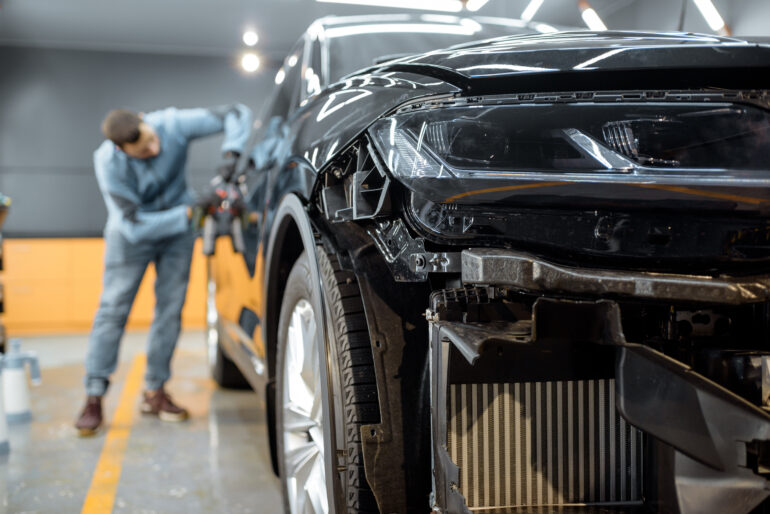
When hailstorms arrive, the resulting damage to vehicles can be costly and inconvenient. For car owners, hail damage is not just an aesthetic concern — it can have significant implications for your car’s resale value. Whether you’re planning to trade in your vehicle, sell it outright, or keep it for a while longer, understanding how hail damage impacts resale can help you make informed decisions. Let’s dive into the ways this type of damage affects your car and how you can mitigate its long-term effects.
1. Understanding Hail Damage on Cars
Hail damage often manifests as small dents, chipped paint, or cracked windows and windshields. While these may seem like minor issues, they compromise both the visual appeal and functional integrity of your vehicle. From a buyer’s perspective, cosmetic flaws signal potential neglect or deeper issues, even if the car is mechanically sound.
An auto body shop can assess the extent of damage and recommend repairs, but the type and severity of the damage greatly influence your car’s resale value. Visible dents especially on metal surfaces like the hood or roof, can make a car look older and less well-maintained, reducing its market appeal.
2. How Hail Damage Affects Resale Value
The resale value of a vehicle with hail damage is often considerably lower than that of an undamaged car. Here’s how:
- Cosmetic Issues: A vehicle with visible dents and chipped paint looks less attractive to prospective buyers. The first impression matters, and no buyer wants to invest in a car that appears damaged.
- Perceived Neglect: Hail damage can make buyers worry about what other potential issues the car might have. Even minor flaws can create a cloud of doubt about the vehicle’s overall condition.
- Cost of Repairs: Buyers understand they may need to allocate funds to restore the car to its original state. This additional expense can drive their offer price down dramatically.
Even dealerships offering trade-ins account for hail damage when calculating appraisals. In some cases, the damage might mean your car is categorized as a “damaged vehicle,” lowering its value further.
3. Can You Sell a Car With Hail Damage?
Yes, you can absolutely sell a car with hail damage, but it requires setting reasonable expectations. If you’re transparent about the damage and price the car accordingly, you’re likely to find a buyer interested in a deal. That said, the impact on resale value can vary depending on your car’s make, model, age, and the severity of the damage.
- Private Sales: You might be able to sell your car faster in a private sale as buyers often prioritize price over aesthetics. Still, the selling price will reflect the need for post-purchase repairs.
- Dealership Trade-Ins: Dealerships typically offer lower prices for hail-damaged cars as they’ll account for repair costs before reselling the vehicle.
- Online Listings: Hail damage can make your car less attractive in crowded online marketplaces, where buyers have many options. High-quality photos and detailed descriptions are essential to securing interest.
4. Repair Options to Preserve Value
Addressing hail damage quickly is crucial to preserving your vehicle’s resale value. Visiting an auto body shop for repair ensures both the cosmetic and functional issues are resolved, enhancing your car’s marketability. Here are some repair options:
- Paintless Dent Repair (PDR): For minor dents, PDR is a cost-effective solution that restores the car’s surface without the need for repainting. This method is particularly appealing to buyers because it doesn’t affect the car’s factory finish.
- Full-Body Repairs: In cases of severe hail damage, more extensive repairs may be necessary, including panel replacement or repainting. An auto body shop can provide a comprehensive assessment to determine what’s needed.
- Insurance Assistance: Before making repairs, check if the damage is covered under your car insurance policy. Many policies include hail damage under comprehensive coverage, which can significantly reduce out-of-pocket costs.
Investing in repairs can help you maintain a higher resale value and broaden your buyer pool. However, ensure the costs of repairs do not exceed the car’s overall worth if the vehicle is older.
5. Steps to Mitigate Hail Damage in the Future
Preventing hail damage will save you money and maintain your car’s value. Here are some simple steps to protect your vehicle:
- Park under covered areas or inside garages whenever possible.
- Invest in a high-quality car cover designed for hail protection.
- Pay attention to weather forecasts and take appropriate precautions during hailstorm warnings.
Being proactive about weather-related damage means you won’t have to worry about sudden drops in your car’s value.
Final Thoughts: Is Repair Worth It?
Deciding whether to repair hail damage largely depends on your goals. If you plan to sell or trade in your car, repairing the damage — especially cosmetic flaws — is typically worth the investment. On the other hand, if you’re willing to accept a lower price, selling it as-is might save you time and effort.
Ultimately, working with trusted professionals at an auto body shop ensures you get a clear picture of your car’s condition and repair needs. Taking these steps can make a substantial difference in maximizing your car’s resale value, even after hail damage.